Save big on SILARYO cones!

Why Cheap Traffic Cones Cost You More in the Long Run
Cheap traffic cones may save money upfront — but cost more over time. Learn why durability, stability, and visibility matter.
2/23/20262 min read
Intro
At first glance, cheap traffic cones may seem like a smart way to save money.
They’re widely available, cost less upfront, and appear to do the job.
But in real-world conditions — wind, traffic, temperature changes, and repeated use — low-quality cones often fail when it matters most.
And when they fail, the real cost begins.
The Hidden Cost of Cheap Traffic Cones
They Don’t Stay in Place
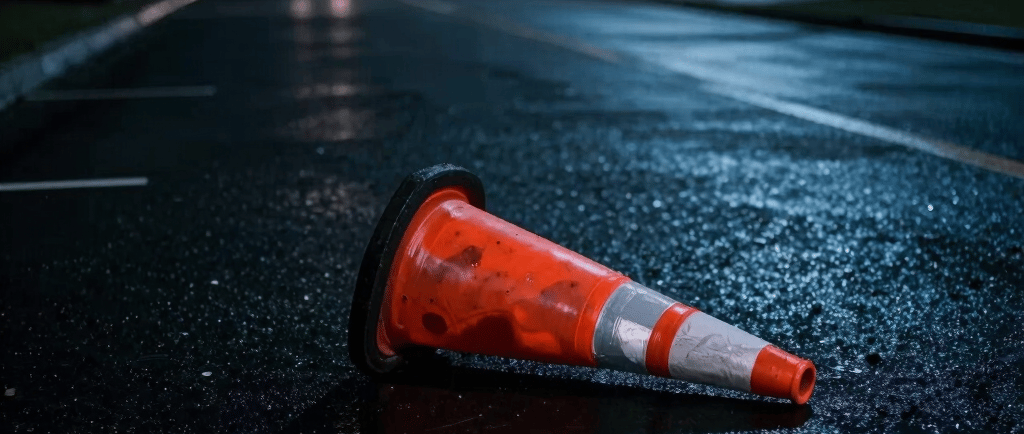
Lightweight cones are easily knocked over by wind or passing vehicles.
Once a cone falls, it stops doing its job — and can even create confusion or risk instead of preventing it.
In high-traffic areas, a single fallen cone can compromise the entire setup.
They Wear Out Faster Than You Expect
Low-grade plastic becomes brittle over time.
Exposure to sun, heat, and cold leads to cracks, fading, and deformation.
What seemed like a “cheap solution” quickly turns into repeated replacements.
Poor Visibility When It Matters Most
At night or in low-light conditions, visibility is everything.
Cheap cones often come with weak or low-quality reflective collars that don’t properly reflect headlights — making them harder to see from a distance.
That’s a serious safety risk.
What Professional-Grade Traffic Cones Do Differently
High-quality traffic cones are designed for real-world performance — not just appearance.
Here’s what sets them apart:
Wide, weighted base for real stability in wind and traffic
Flexible PVC construction that absorbs impact and returns to shape
High-intensity reflective collars for strong visibility day and night
Built for repeated use in demanding environments
These aren’t just features — they’re what make the difference between temporary use and long-term reliability.
Short-Term Savings vs Long-Term Value
Cheap cones may save money upfront — but they often lead to:
Frequent replacements
Increased safety risks
Reduced effectiveness in real conditions
Investing in durable, professional-grade cones means:
Fewer replacements
Better visibility and safety
Consistent performance over time
Real-World Applications Where It Matters Most
Choosing the right traffic cone is critical in:
Parking lots
Construction sites
Roadwork zones
Event crowd control
Property management
In these environments, stability and visibility aren’t optional — they’re essential.
Conclusion
Not all traffic cones are created equal.
When safety, durability, and performance matter, the cheapest option is rarely the smartest one.
Choosing the right equipment means fewer problems, better results, and greater peace of mind.